
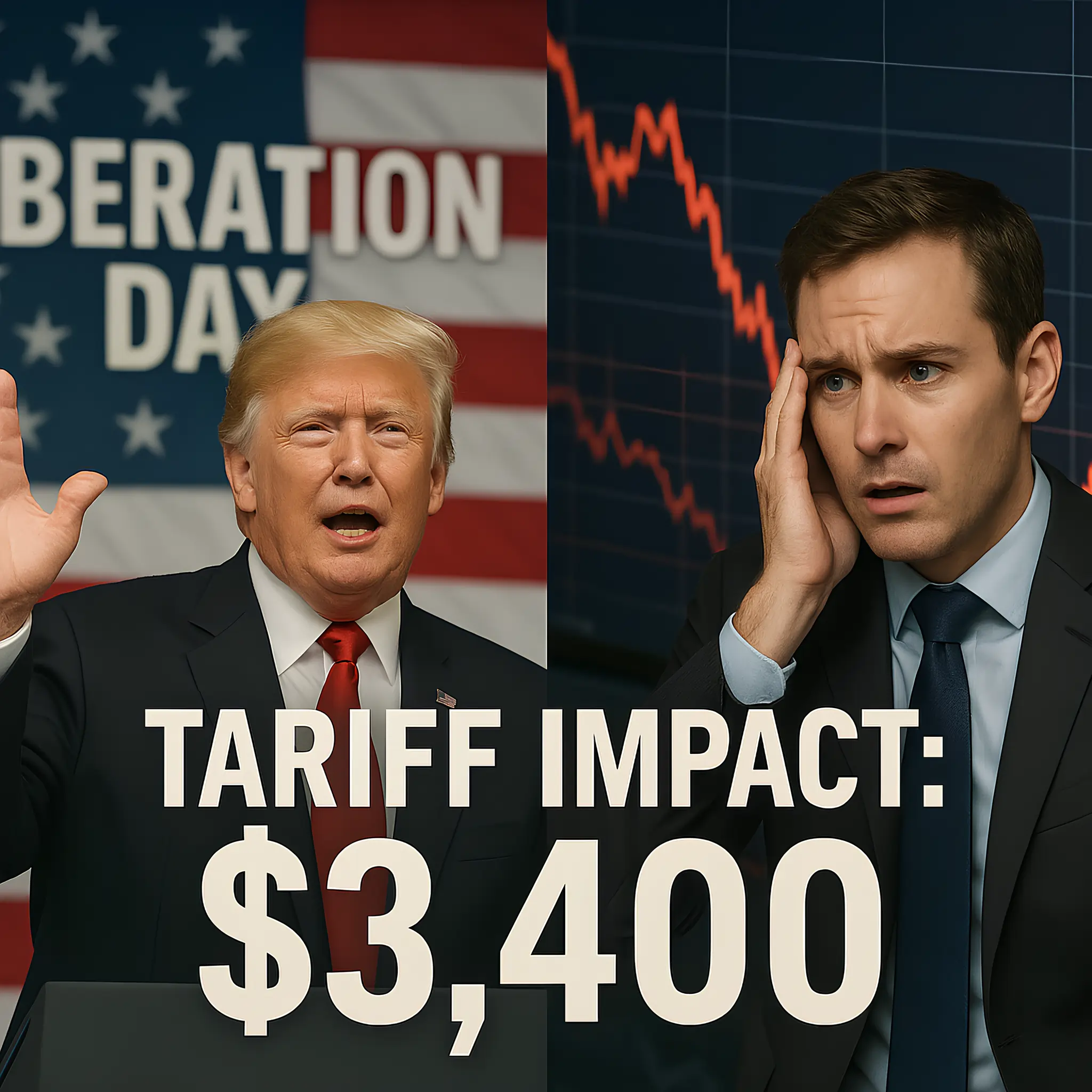
In a dramatic shift in U.S. trade policy, President Donald Trump is set to announce sweeping new tariffs on April 2, 2025, dubbed “Liberation Day,” which economists warn could significantly impact American consumers and businesses. The announcement marks a controversial expansion of Trump’s protectionist trade policies, introducing reciprocal tariffs that could affect goods worth over $1.4 trillion.
Major Tariff Announcement Details
The latest Trump tariff announcement includes a comprehensive package of trade measures aimed at what the administration calls “unfair trade practices.” The plan introduces a 25% tariff on auto imports and additional levies on countries importing oil from Venezuela. These reciprocal tariffs are designed to mirror the duties that other nations impose on American goods, fundamentally reshaping U.S. trade relationships.
Economic Impact on American Households
Economic experts paint a concerning picture of the tariffs’ potential impact on American consumers:
- The Yale Budget Lab estimates that the average American household could face additional costs between $3,400 and $4,200 annually [source].
- Consumer prices for vehicles could increase by $4,000 to $15,000 per unit
- The tariffs could reduce U.S. GDP by 0.4% and result in the loss of 358,000 full-time equivalent jobs
International Response and Market Reactions
The Trump tariff news has sparked immediate reactions from major trading partners. Canada, Mexico, and the European Union have already signaled their intention to implement retaliatory measures. The uncertainty surrounding these trade policies has contributed to market volatility, with the S&P 500 experiencing its worst quarter since 2022.
Political Tensions and Congressional Response
The announcement has intensified political divisions in Washington:
- Senate Democrats are challenging the tariffs through a vote to nullify the emergency declaration
- House Minority Leader Hakeem Jeffries has criticized the initiative, referring to it as “Recession Day” rather than “Liberation Day”
Implementation Strategy and Timeline
The Trump administration’s approach to implementing these reciprocal tariffs involves:
- Immediate Implementation: The tariffs are set to take effect following the April 2 announcement
- Country-Specific Approach: Tariffs will be tailored based on each nation’s existing trade barriers
- Broad Coverage: The measures will affect a wide range of imported goods and trading partners
Business and Industry Impact
The tariffs are expected to significantly affect various sectors:
- Retail giants like Best Buy and Target report increased operational costs
- The automotive industry faces potential production cost increases of up to $3,000 per vehicle
- Supply chains across multiple industries are likely to experience disruption and increased costs
Historical Context and Economic Analysis
These new tariffs build upon Trump’s previous trade policies. During his first term, the administration imposed tariffs on approximately $380 billion worth of imports. Economic data shows that previous tariffs have:
- Reduced long-run GDP by 0.2%
- Led to the loss of 142,000 full-time equivalent jobs
- Contributed to inflationary pressures, with J.P. Morgan projecting a 0.2 percentage point increase in PCE price inflation
Expert Opinions and Future Outlook
Economic experts and trade analysts express concern about the potential long-term implications:
- The tariffs could escalate into broader trade conflicts
- Global supply chains may face significant disruption
- Consumer prices are expected to rise across multiple sectors
The Peterson Institute for International Economics and other leading research organizations warn that these measures could lead to retaliatory actions from trading partners, potentially triggering a cascade of economic consequences.
Conclusion
As “Liberation Day” approaches, businesses, consumers, and international markets brace for the impact of Trump’s latest tariff policies. While the administration argues these measures will protect American industries and address trade imbalances, economic data suggests potential challenges ahead for U.S. consumers and businesses. The coming months will be crucial in determining the full extent of these tariffs’ impact on the global economy and international trade relations.


